100% polypropylene, approx. 100 g/m². Single-layer. The fastest moisture-wicking performance in the range. Innovative knit design reduces contact with the skin by 50% and creates micro-air pockets for optimal climate management. Odour-resistant without chemical treatment. Exclusively knitted by Löffler in Austria.
Best suited for: All high-intensity sports at 0 to +15 °C – cycling, running, cross-country skiing. Also in summer as a base layer under a jersey.
100% polypropylene, approx. 100 g/m². Open mesh knit construction with the smallest possible contact surface. Enables increased air circulation and extremely rapid moisture wicking. Available since summer 2022.
Best suited for: High-intensity, anaerobic exercise in warm temperatures – interval training, races, intense climbs.
100% polypropylene, approx. 70 g/m². Super-lightweight mesh fabric with a natural cooling effect. So light that the shirt floats on water. Optimal ventilation in extreme heat.
Best suited for: Extreme heat and high-intensity training – summer races, interval training at temperatures above 25 °C.
Polypropylene with a brushed inner surface (two-layer construction). Quick-drying with light insulation. The brushed inner surface retains heat, whilst the smooth outer surface wicks away moisture.
Best suited for: Cold conditions during moderate to high-intensity activities (0 to −10 °C) – winter cycling, cross-country skiing training, ski touring.
63% merino wool, 37% polypropylene, approx. 200 g/m² (two-layer construction). The polypropylene inner layer wicks away sweat immediately, whilst the merino wool outer layer retains heat and regulates temperature. Löffler’s warmest functional base layer.
Best suited for: Very cold conditions at moderate intensity (−10 to +5 °C) – ski touring with breaks at the summit, snowshoeing, moderate winter cycling, stop-and-go activities.
100% merino wool (+ elastane), approx. 129 g/m². Ultra-fine fibres (15.5 microns). Temperature-regulating – cools or warms as required. Soft, fine feel. Mulesing-free merino wool (RWS/ZQ certified). Made in Green certified.
Best suited for: Moderate sports and everyday wear – hiking, commuting, leisure. Also ideal in summer as a lightweight, temperature-regulating layer.
| Sport | Intensity | Temerature | Recommendation |
|---|---|---|---|
| Cycling (summer) | High | 15–35 °C | transtex® light / light+ |
| Cycling (winter) | Medium–High | −5–10 °C | transtex® warm |
| Cycling (variable) | Medium | 0–10 °C | transtex® Merino 200 |
| Cross-country (training) | Very high | −10–0 °C | transtex® light |
| Cross-country (touring) | Medium | −10–0 °C | transtex® Merino 200 |
| Ski touring | Changing | −10–5 °C | transtex® warm / Merino 200 |
| Hiking (winter) | Low-Medium | −5–10 °C | Merino Light |
| Running (training) | High | 0–15 °C | transtex® light |
| Commuting / Everyday | Low | −5–15 °C | Merino Light |
| Temperature | Low Intensity | Medium Intensity | High Intensity |
|---|---|---|---|
| Above 15 °C | Merino Light (short-sleeved) | transtex® light (short-sleeved) | transtex® light+ (sleeveless) |
| 5–15 °C | Merino Light (long-sleeved) | transtex® light (long sleeved) | transtex® light (short-sleeved) |
| 0–5 °C | transtex® Merino 200 | transtex® warm | transtex® light (long-sleeved) |
| −5–0 °C | transtex® Merino 200 | transtex® warm | transtex® warm |
| Below −5 °C | transtex® Merino 200 | transtex® Merino 200 | transtex® warm |
Rule of thumb: The higher the intensity and the more you sweat, the better pure synthetics (transtex®) work. The lower the intensity and the longer the breaks, the more you’ll benefit from merino.
Many sports underwear manufacturers use polyester as their base material and treat it chemically to combat odours (often with silver ions). transtex® is based on polypropylene – the lightest textile fibre in existence. Polypropylene absorbs virtually 0% moisture: sweat is mechanically wick-away from the skin by the knitted construction, rather than being trapped within the fibre. Odour molecules hardly adhere to polypropylene at all, without any chemical treatment.
The key difference compared to chemically treated synthetic materials: transtex®’s moisture-wicking performance does not diminish even after many washes, because it is based on the knitted construction – not on a coating that washes out.
All transtex® fabrics are knitted exclusively at the Löffler knitwear factory in Ried im Innkreis and are OEKO-TEX® Standard 100 certified.
Thermal underwear is the first and most important layer in the Löffler layering system:
The base layer determines whether the layers above it work effectively. If the first layer does not wick sweat away quickly enough, it soaks through all the other layers from the inside – the so-called ‘chill-out’ effect.
Wash transtex® (synthetic) at 40°C on a gentle cycle. Do not use fabric softener. Air dry. Do not iron. transtex® retains its shape and is resistant to pilling, even after many washes.
Wash Merino and transtex® Merino at 30°C on a wool cycle. Do not use fabric softener. Do not tumble dry. Dry flat and reshape.
For intensive skiing: transtex® warm (quick-drying + light insulation). For leisurely skiing with longer breaks: transtex® Merino 200 (keeps you warm even when resting). For ski touring with varying levels of exertion: transtex® Merino 200 or transtex® warm, depending on your personal sensitivity to the cold.
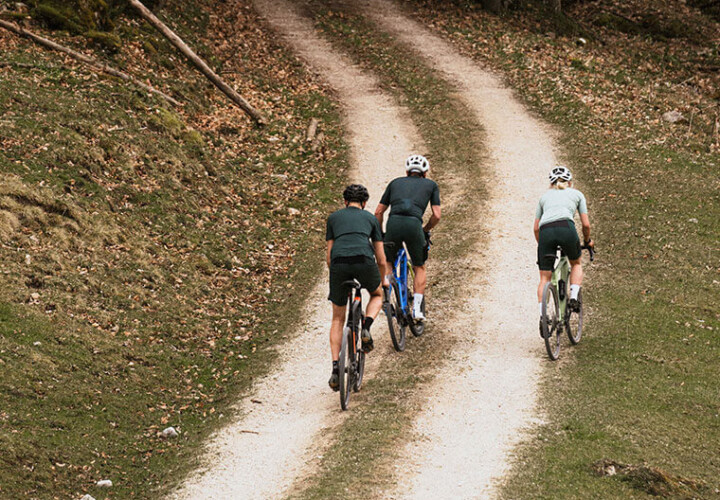
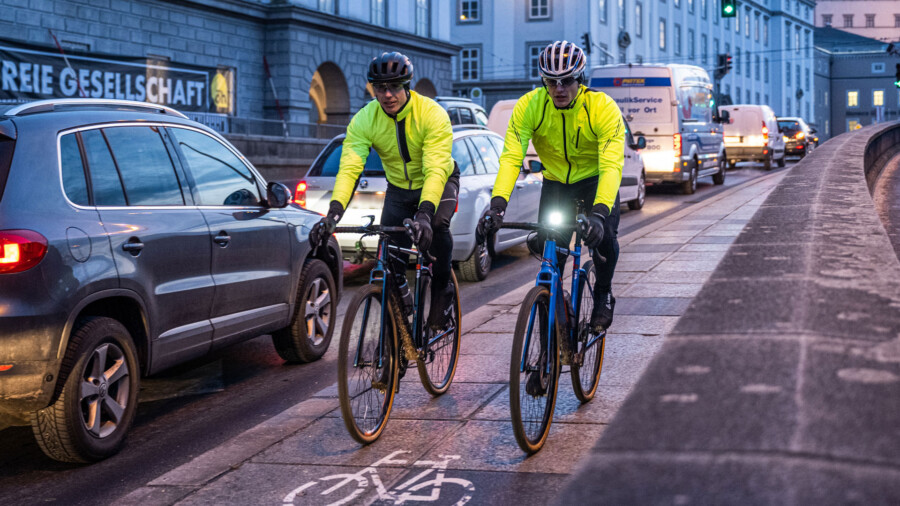
transtex® warm for high-intensity riding (interval training, base training). transtex® Merino 200 for moderate-intensity riding or changing conditions (gravel riding, Alpine crossings). Always wear in combination with a thermal cycling jersey and an Airblocc softshell jacket.
Yes. Even in summer, a base layer wicks away sweat more effectively than a jersey worn directly against the skin. transtex® light or light+ keep the skin dry and prevent that clammy feeling on descents or when changing pace. On a road bike, wearing a transtex® base layer under your jersey is standard practice.