Gravel biking for beginners: 5 essentials for your first ride

Gravel cycling involves changing conditions – from climbs to descents. With the right layering system, you’ll stay dry, protected and able to perform at your best in all weathers.

What is gravel biking?

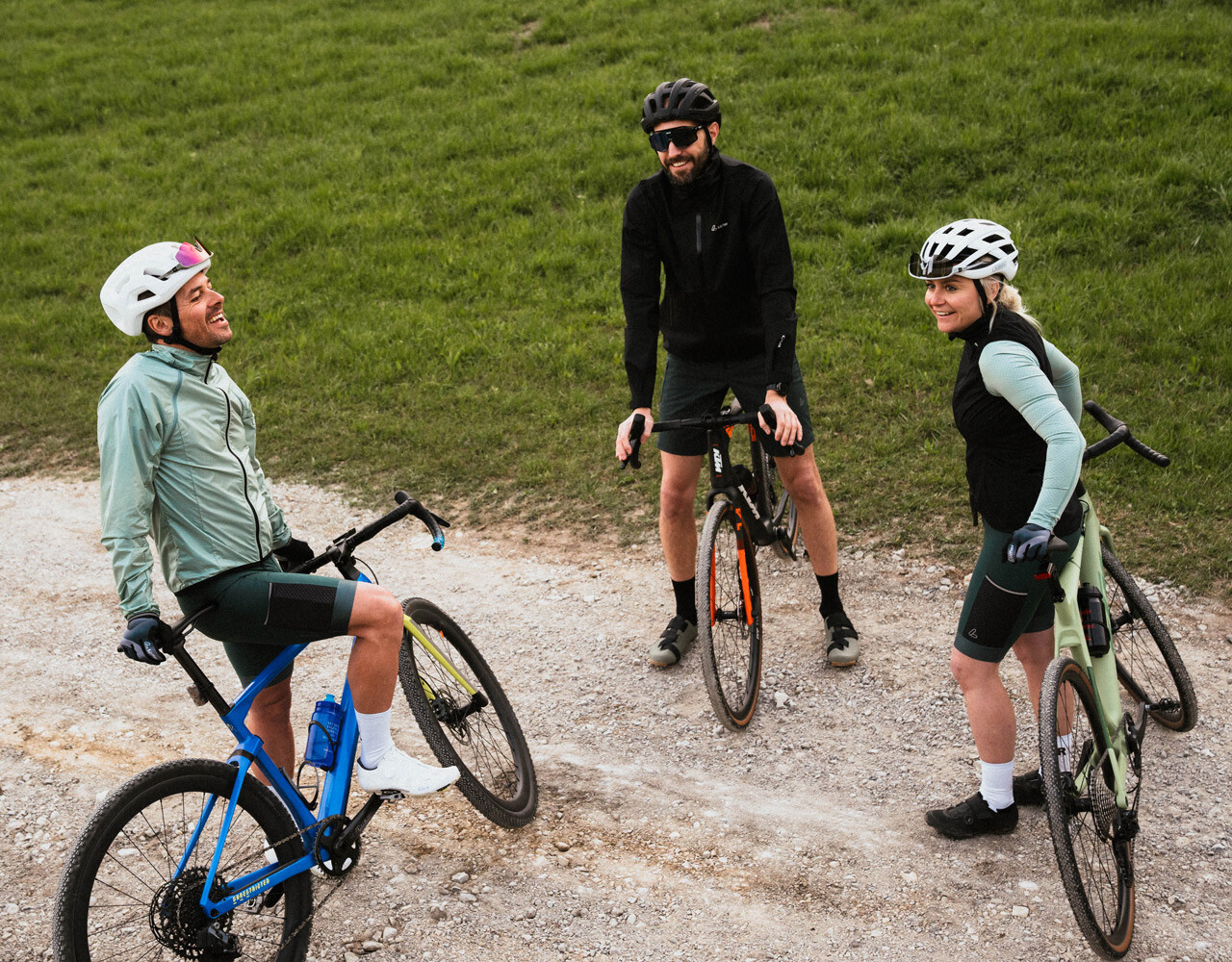
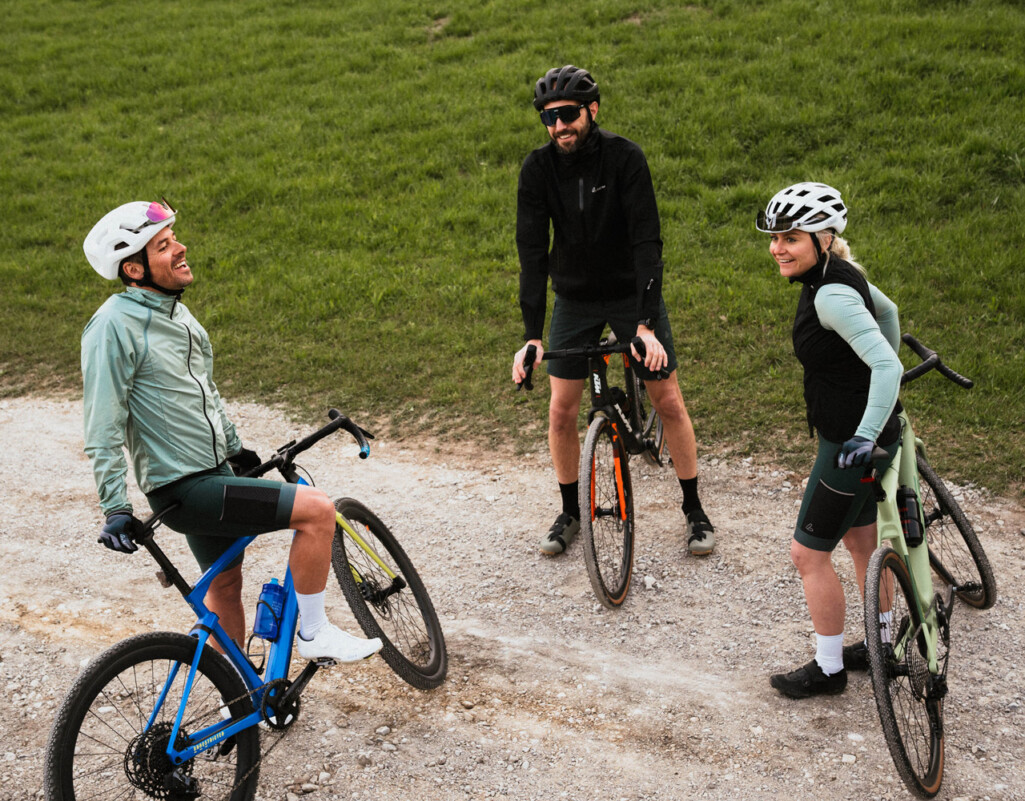
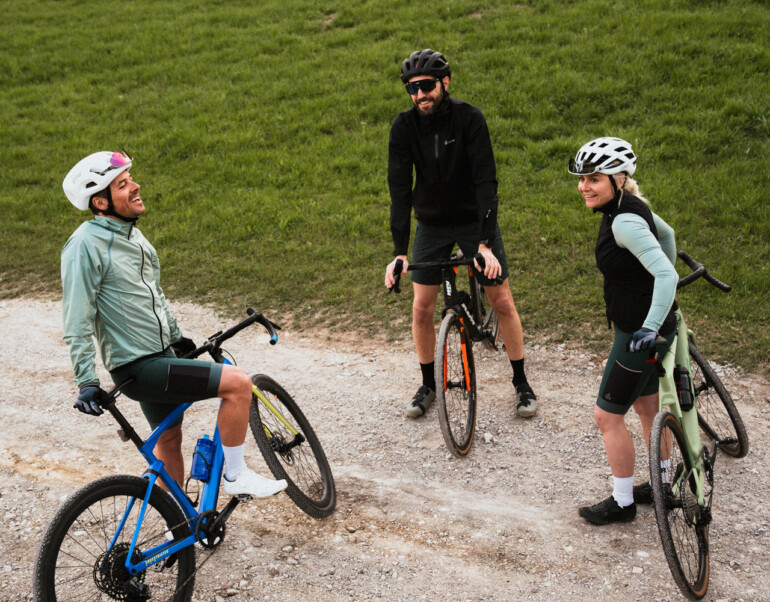
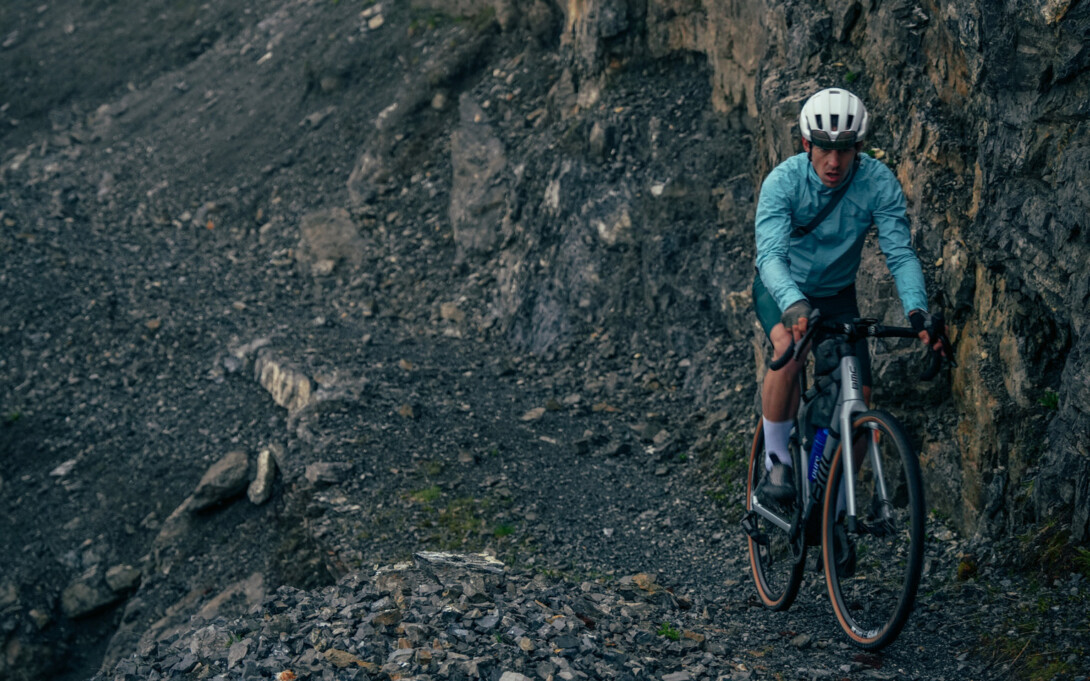
Want to get out of the city and into an adventure? Gravel cycling is the quickest way to do it. You’ll be riding along gravel tracks, forest tracks and back roads – far away from traffic, closer to nature.

Why the right gravel cycling kit is crucial

When gravel cycling, you’re often out and about for several hours, constantly switching between different types of exertion: gruelling climbs, cool and windy descents, and short breaks during which your body quickly cools down. It is precisely this dynamic that makes choosing the right gravel cycling kit so crucial.

Functional cycling clothing, combined with a well-thought-out layering system, ensures that you can regulate your body temperature optimally. Whilst breathable materials effectively wick away moisture when riding uphill, windproof and insulating layers protect you from getting too cold on descents.

Applying the correct layering principle when gravel cycling not only boosts your comfort but also enhances your performance and endurance. Those who opt for high-quality, functional clothing remain at their best for longer – no matter how changeable the conditions are.

The 5 most important gravel essentials in detail

1. Gravel jersey for changing temperatures

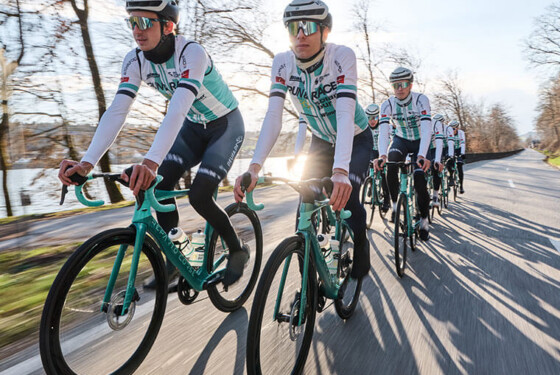
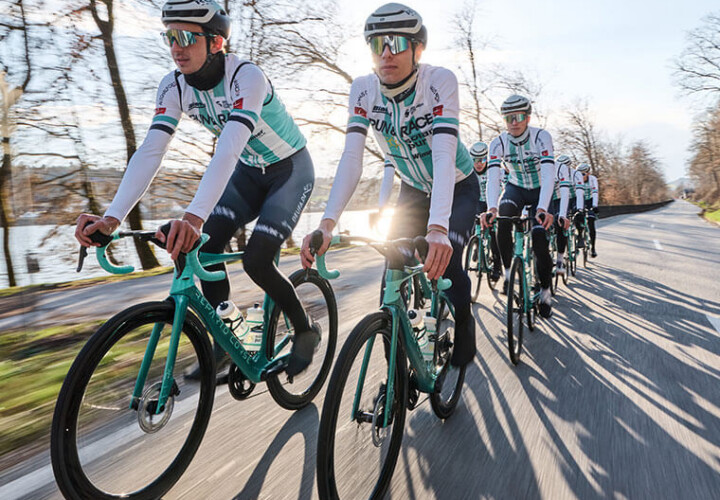
A high-quality gravel jersey is the foundation of your kit. It should be particularly breathable to keep sweat away, whilst also offering plenty of storage space thanks to multiple pockets – ideal for snacks, tools or your mobile phone.

For maximum flexibility in changeable weather, models with detachable sleeves are particularly handy. This allows you to quickly adapt your jersey to changes in temperature without having to carry extra layers of clothing.

2. Cycling shorts for gravel riding: comfort over long distances

High-quality bib shorts are essential, particularly on longer rides. The most important factor is a high-quality seat pad, which prevents pressure points and ensures comfort even after several hours in the saddle.

A secure, non-slip fit also ensures that everything stays in place – even on uneven terrain. Handy extras such as integrated pockets provide additional storage space and make the bib shorts even more practical for gravel adventures.

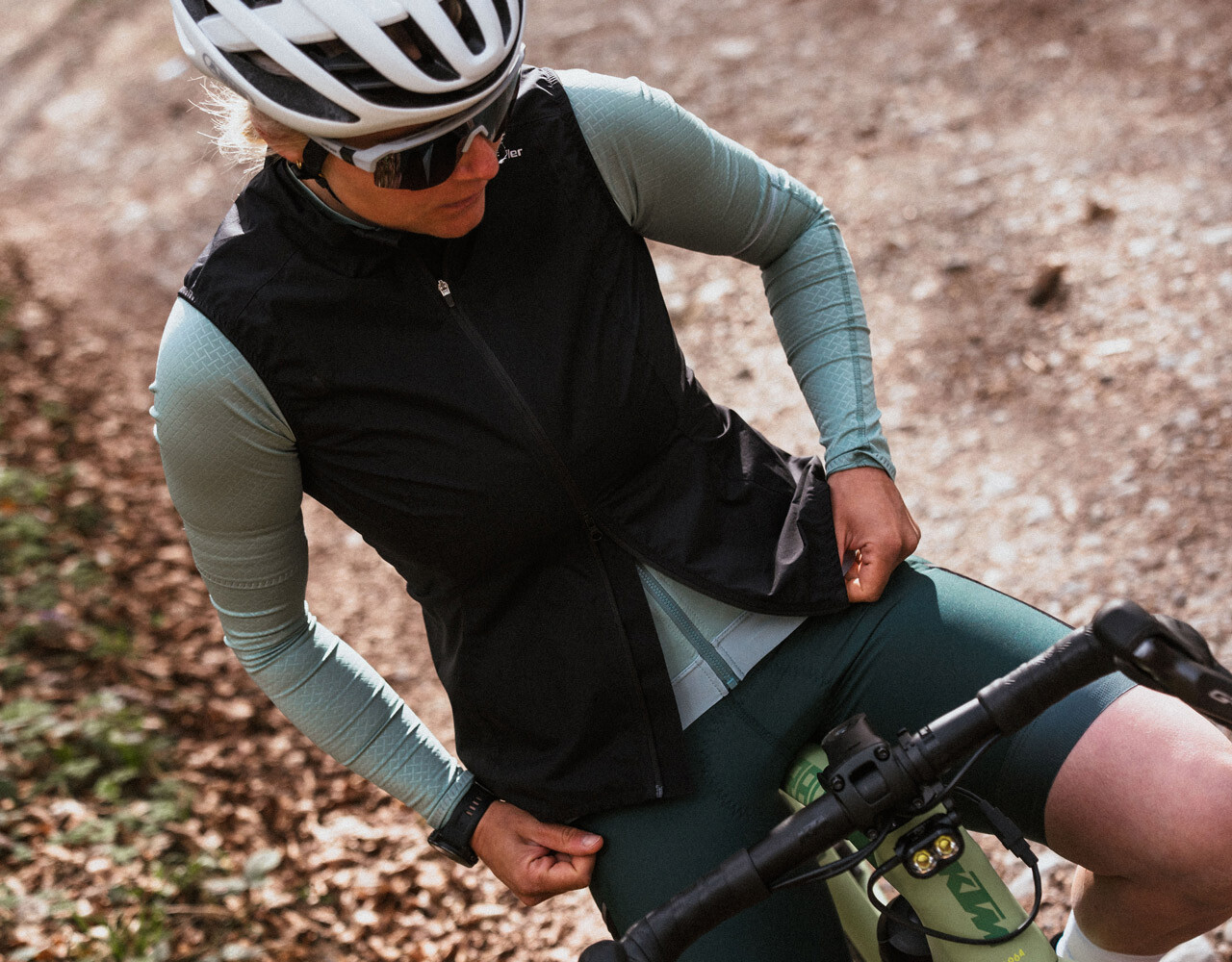
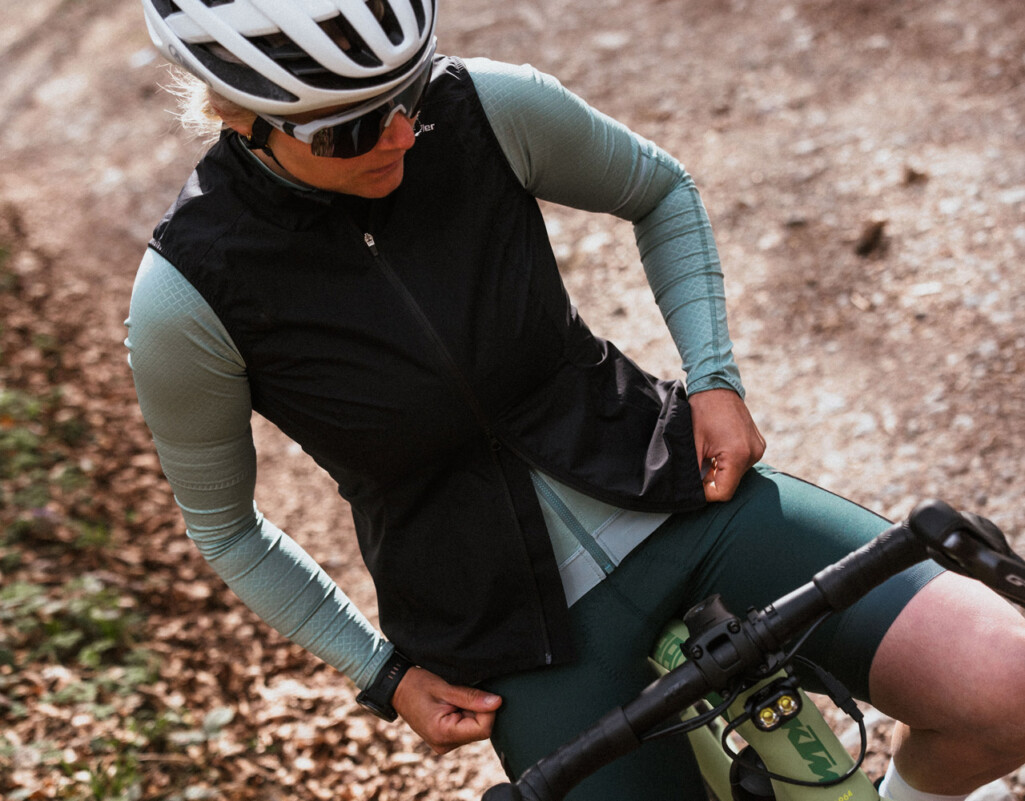
3. A wind jacket or zip-off jacket for gravel biking

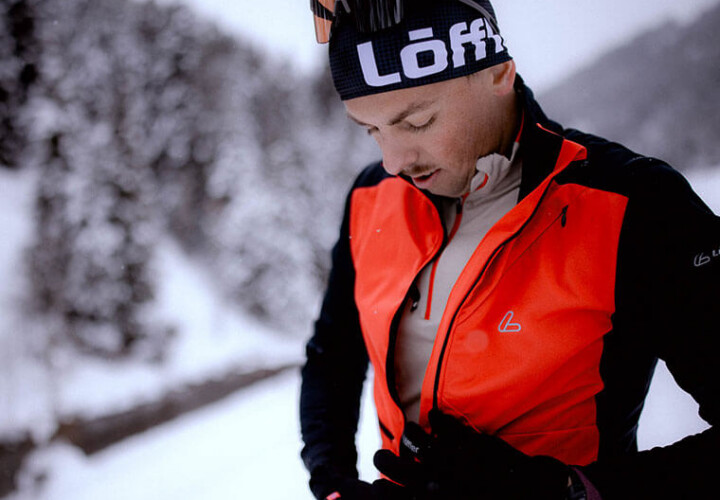
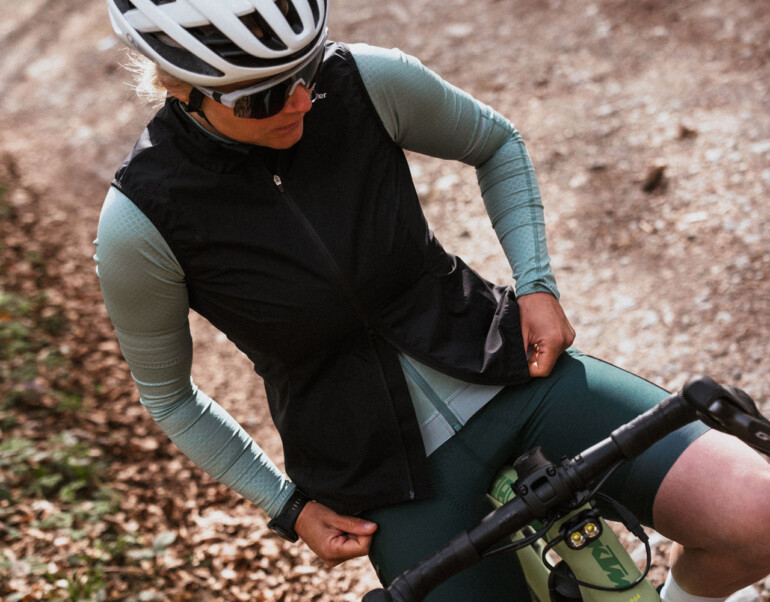
A lightweight wind jacket is one of the absolute must-haves for gravel biking. It provides reliable protection from the wind and keeps you from getting too cold on descents. Ideally, it should be windproof, water-repellent and pack down small.

Zip-off jackets are particularly practical: they can be quickly adjusted as required and offer maximum flexibility in changing conditions.

4. Underwear (Base Layer)

The base layer is the invisible but crucial layer in a layering system. It regulates your body temperature, wicks moisture away from the skin and prevents you from getting uncomfortably cold. A good base layer noticeably improves your overall comfort.

5. Insulated jacket for breaks

Your body stays warm whilst you’re cycling – but it cools down quickly during breaks. This is exactly where a lightweight insulated jacket becomes useful. It’s quick to put on and retains your body heat without taking up much space in your luggage.

You have the right kit – now all you need is a plan.

Especially when you’re just getting started with gravel biking, it’s not about tackling major Alpine passes straight away, but simply getting going. With these three tips, your first micro-adventure is guaranteed to be a success.

Tipp 1: Start right in front of your door

You don’t have to head straight to the Dolomites to enjoy some proper gravel riding. The best rides often start right on your doorstep. Platforms such as Komoot or Strava can help you find suitable gravel routes in your area.

To start with, routes of between 40 and 60 kilometres with a moderate elevation profile are ideal. This will help you get a feel for the terrain, the physical demands and your kit – without overdoing it.

Tipp 2: When it comes to packing, less is more

A proper microadventure also means travelling light. You don’t need any fancy kit for your first day trip. A few energy bars, plenty to drink, your smartphone, a mini-tool and a spare inner tube are all you need.

The pockets in your gravel jersey or bib shorts usually offer enough storage space. If you feel you need a backpack, you’ve generally packed too much.

Tipp 3: Go for the layering principle

When gravel riding, conditions are constantly changing: it’s often cool in the early morning, it warms up around midday, and you can quickly get chilled by the wind on descents. This is exactly where layering comes into its own.

A functional base layer, a breathable jersey and a lightweight, packable jacket or gilet give you the flexibility to adapt to any situation. This way, you can stay comfortable on the go without carrying any unnecessary weight.
Tips
Road cycling kit for a cold start and a warm afternoon

On long days in the saddle, you’ll ride with a base layer (short-sleeved jersey, cycling shorts) and additional layers you can take off: arm warmers, leg warmers and a windproof vest. Whatever you need in the morning to stop yourself getting cold must fit into your jersey pocket by the afternoon, without you having to stop and change.

Read now
Tips
Gravel clothing: The right kit for long days and changing conditions

For gravel rides, you don’t need a road cycling kit – nor do you need MTB gear. Gravel clothing solves a specific problem: comfort over long distances on varied terrain, with temperatures that can fluctuate by 10 degrees or more over the course of a day. The answer is a modular setup comprising a durable jersey, a long-distance-ready chamois, a packable windbreaker and a base layer with proper storage space.

Read now
Uncategorized
Thermal underwear for men – which material is best for which sport and temperature?

Löffler has been developing functional underwear for men since 1976 – and manufactures all transtex® fabrics in its own knitting mill in Ried im Innkreis, Austria. The key question isn’t which underwear is the ‘best’, but which material works best for your sport, your level of activity and your body temperature. This guide highlights the differences and helps you make the right choice.

Read now
Tips
The right cycling shorts – a buyer’s guide for every bike and every riding position.

Löffler produces more than 30 different cycling shorts and tights, including bib shorts, tights, cycling undershorts, cycling shorts, and thermal tights. All are manufactured in Ried im Innkreis, Austria, and Tryavna, Bulgaria. The right choice depends on four factors: What type of bike do you ride? What is your riding position? How long are your rides? And in what temperatures do you ride? This guide will help you find the right cycling shorts in four simple steps.

Read now
Tips
Cycling shorts – which model is best for which activity?

Löffler offers four cycling undershort models – from the entry-level option for short rides to the hotBOND®-SQL, designed for sporty gravel and mountain bike riding positions. All models are produced in Ried im Innkreis, Austria, from fabric manufacturing through to the finished product. The right choice depends on three factors: How long are you in the saddle? What is your riding position? And which saddle do you use?

Read now