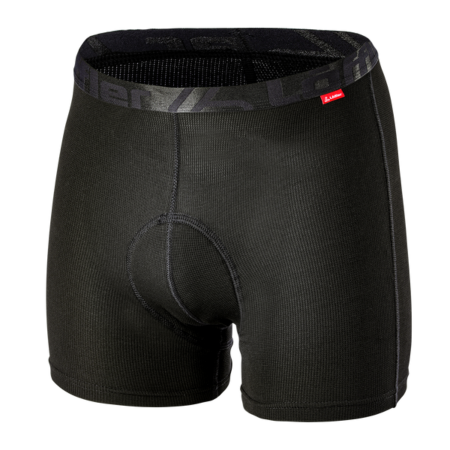
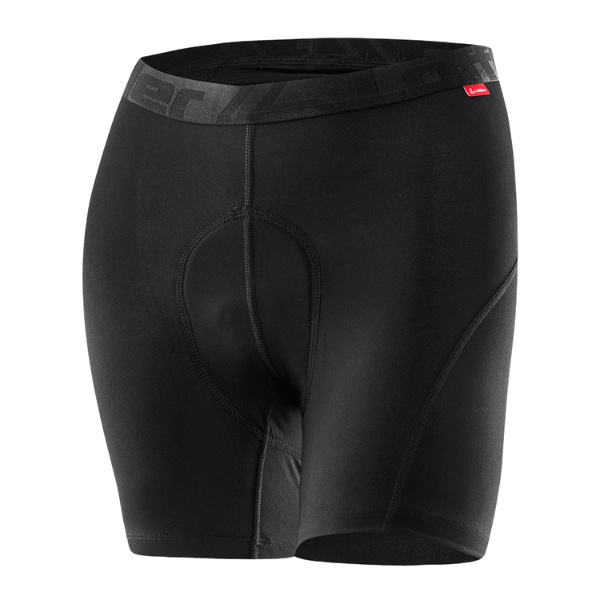
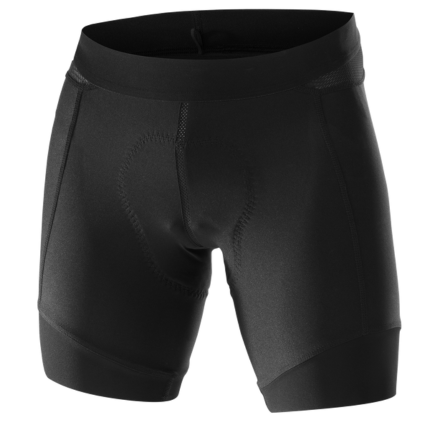
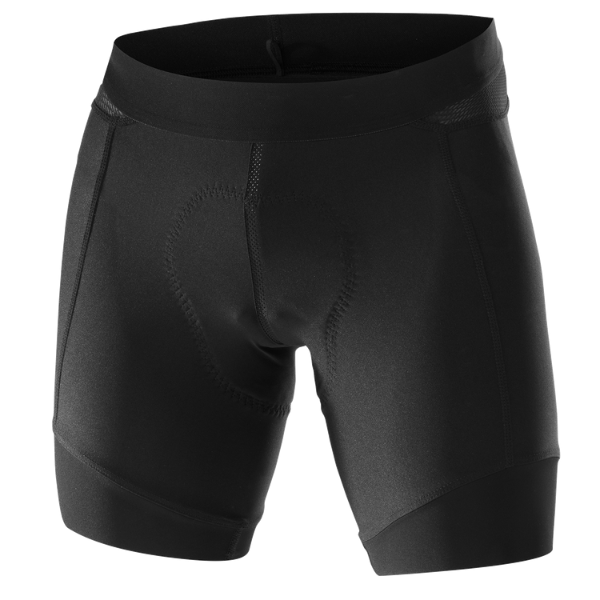
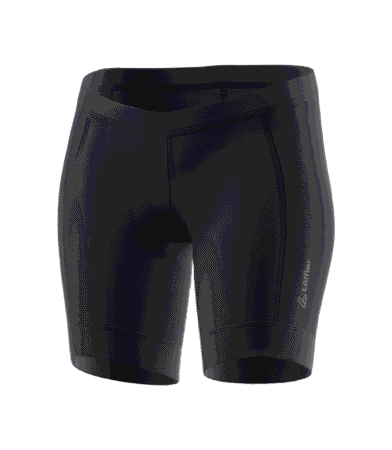
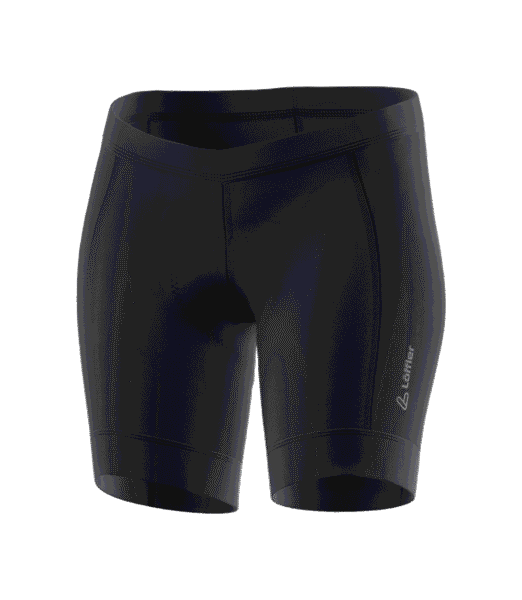


A comfortable entry-level model for active cyclists, designed for short to medium-distance rides.
A comfortable all-round model with ergonomically optimized panel construction for ambitious recreational cyclists.
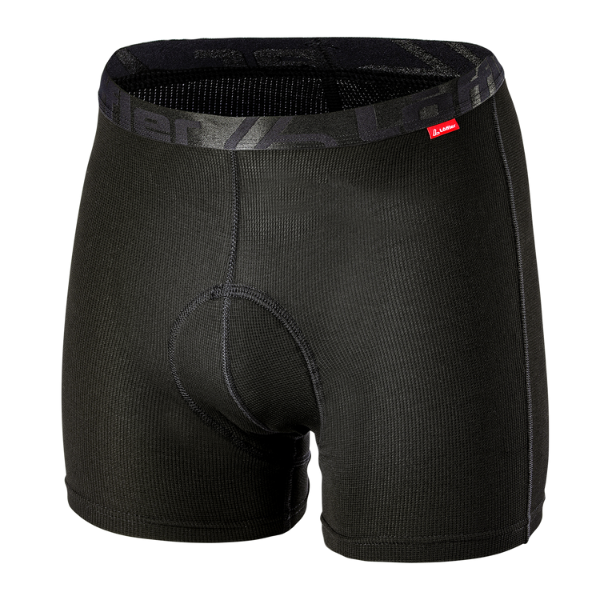
The premium model for cyclists seeking maximum comfort, unrestricted freedom of movement, and reliable cushioning on long rides.
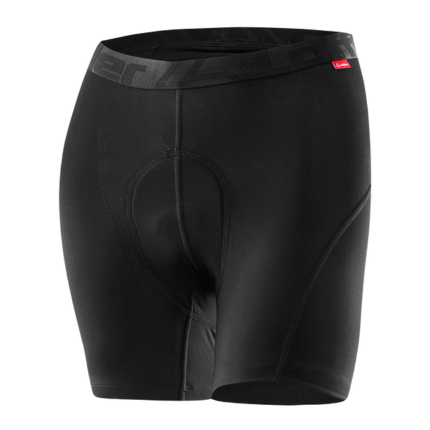
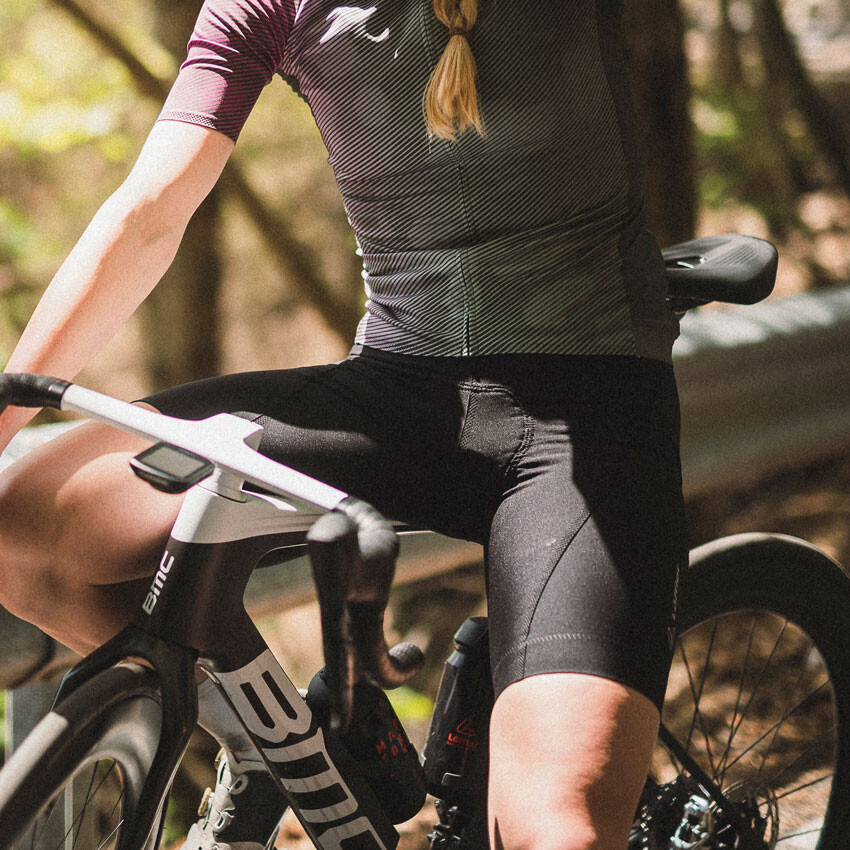
A highly athletic and comfortable model designed for predominantly forward-leaning riding positions, such as on gravel bikes or mountain bikes.
| Best for | Model | Seat pad | Price |
|---|---|---|---|
| Occasional cyclists, commuters, city biking | transtex® light | Comfort Basic 6 mm | EUR 39,99 |
| Touring, leisure rides, e-bike tours | Elastic 2.0 | Comfort Elastic 12 mm | EUR 49,99 |
| Frequent riders, long-distance tours | hotBOND® | Comfort Gel Air 16 mm | EUR 79,99 |
| Gravel, MTB, road cycling, performance-oriented riders | hotBOND®-SQL | SQlab-XP/6 Pro 6 mm | EUR 99,99 |
The most common misconception is that a thicker seat pad is automatically more comfortable. In reality, the density of the foam is what determines the quality of the cushioning. A thin, high-density pad (such as the SQlab-XP/6 Pro with 360 kg/m³) provides more durable support and cushioning than a thicker, softer pad that compresses under load.
Choosing the right seat pad also depends on your riding position:
The key takeaway: The best seat pad is not necessarily the thickest one—it is the one that matches your riding position and provides the right combination of density, shape, and support.
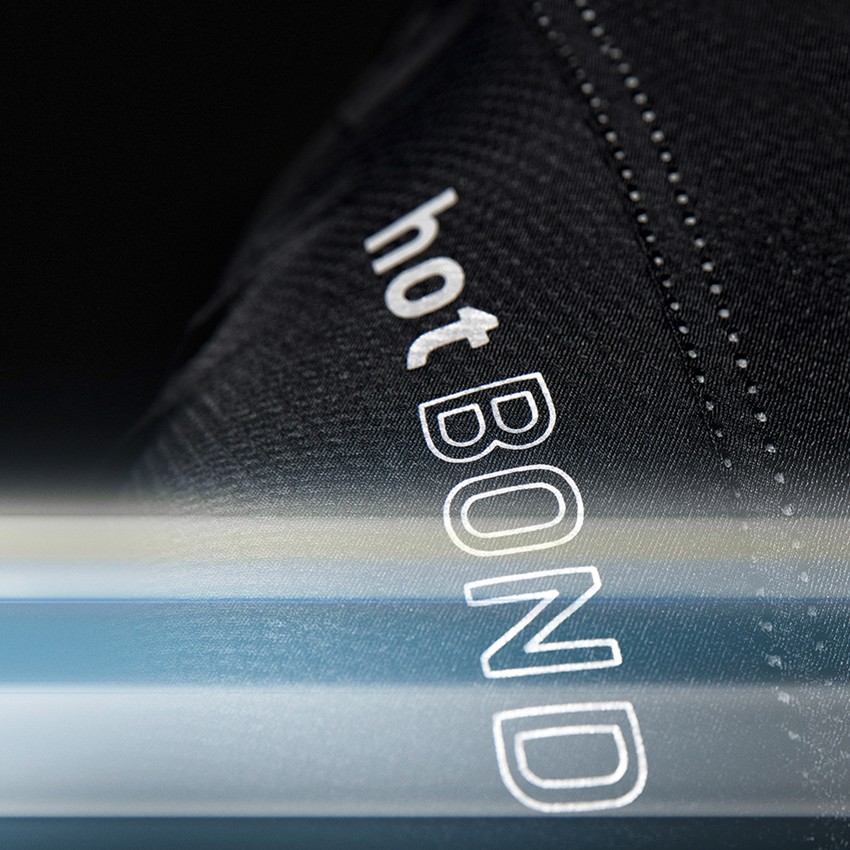
The entry-level models (transtex® light and Elastic 2.0) use elastic functional fabric combined with conventional, ultra-soft flatlock seams. The premium models (hotBOND® and hotBOND®-SQL) replace traditional seams with ultrasonically bonded connections, resulting in a flatter, smoother, and more durable construction.
The hotBOND®-SQL with the SQlab-XP/6 Pro pad. This pad was specifically developed for sporty, forward-leaning riding positions, featuring a race-oriented shape and a tapered perineal area. The thin yet extremely dense pad (6 mm, 360 kg/m³) stays securely in place and provides long-lasting cushioning on varied terrain.
No. Cycling undershorts are designed to be worn directly against the skin. The seat pad is engineered to perform optimally without an additional layer underneath. Regular underwear can create folds and pressure points that may lead to chafing.