HIKING CLOTHING MADE IN AUSTRIA/EUROPE.
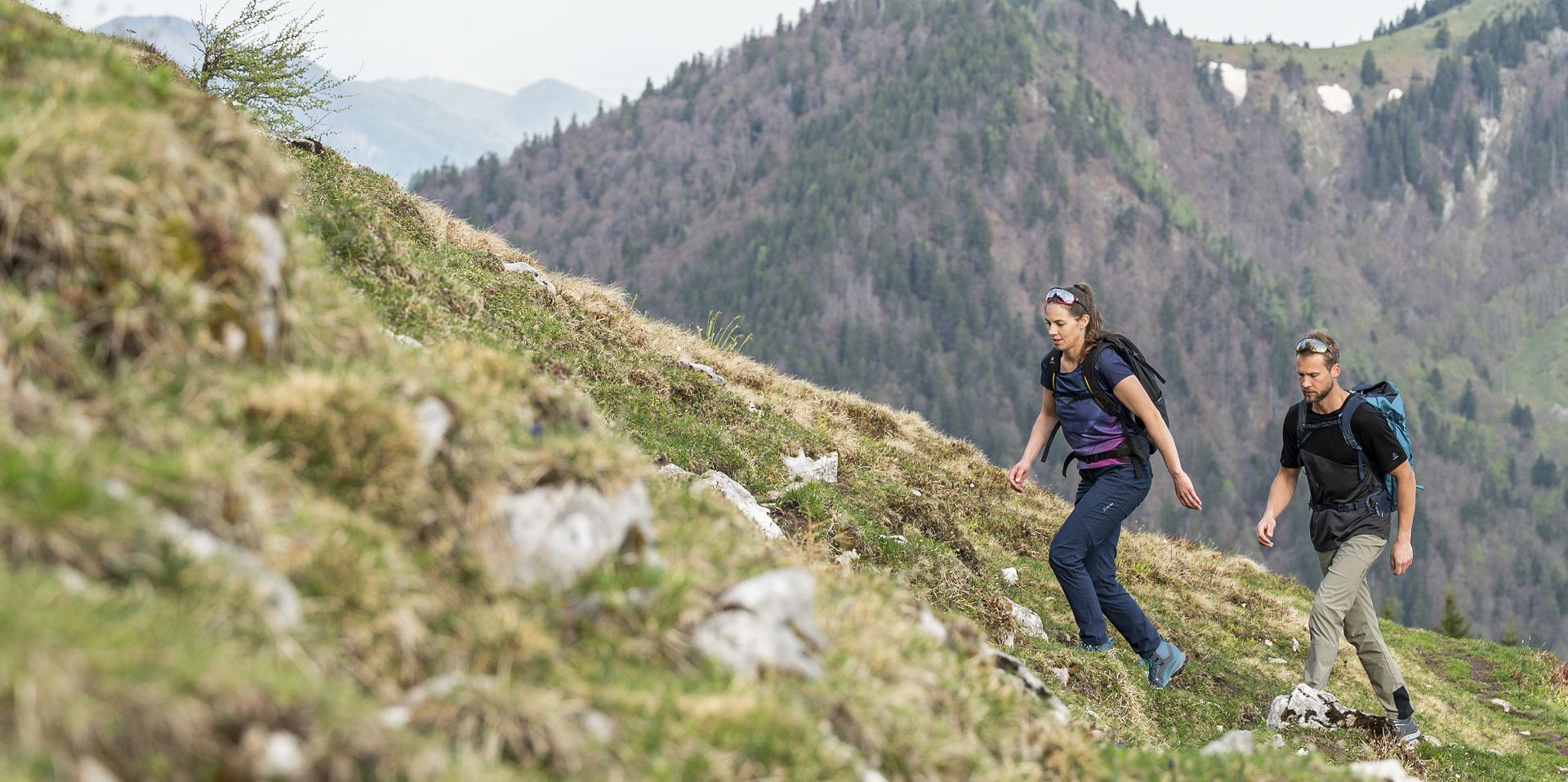
Löffler’s functional and sustainably produced hiking clothing offers optimal protection against wind and weather. We design hiking clothing for athletes who take their responsibilities seriously and refuse to cut corners.
 Changeable weather
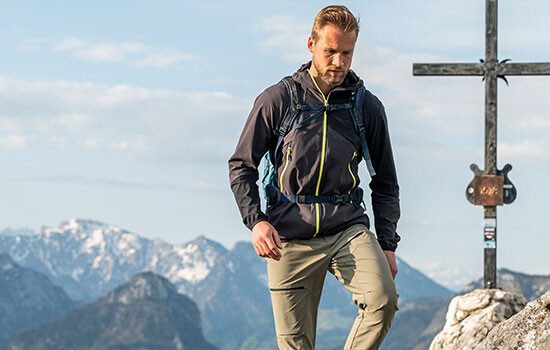
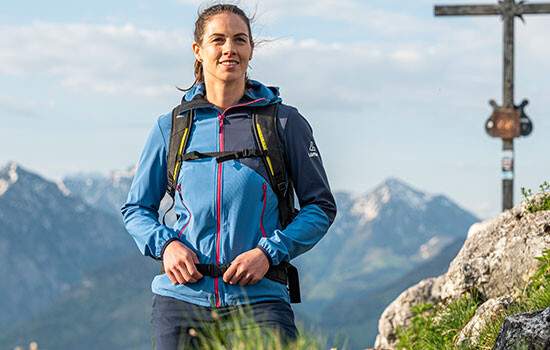
 Trail-Running
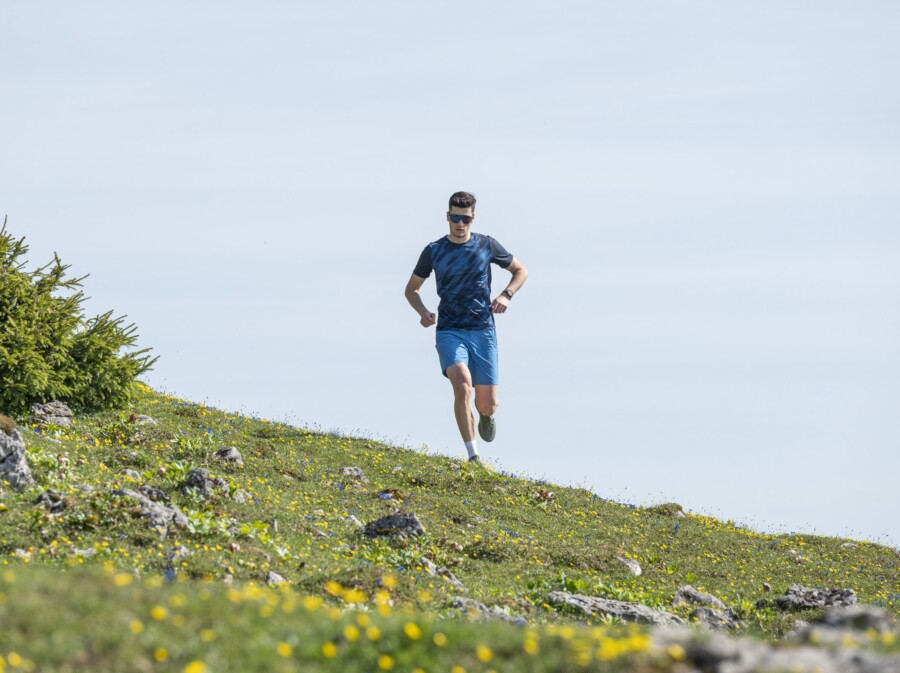
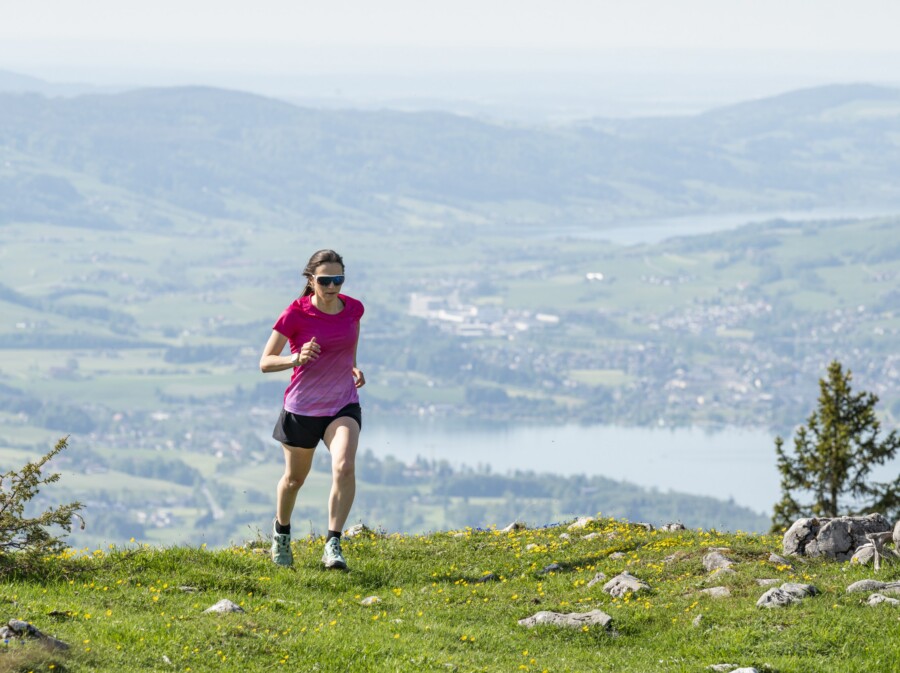
Speed Hiking
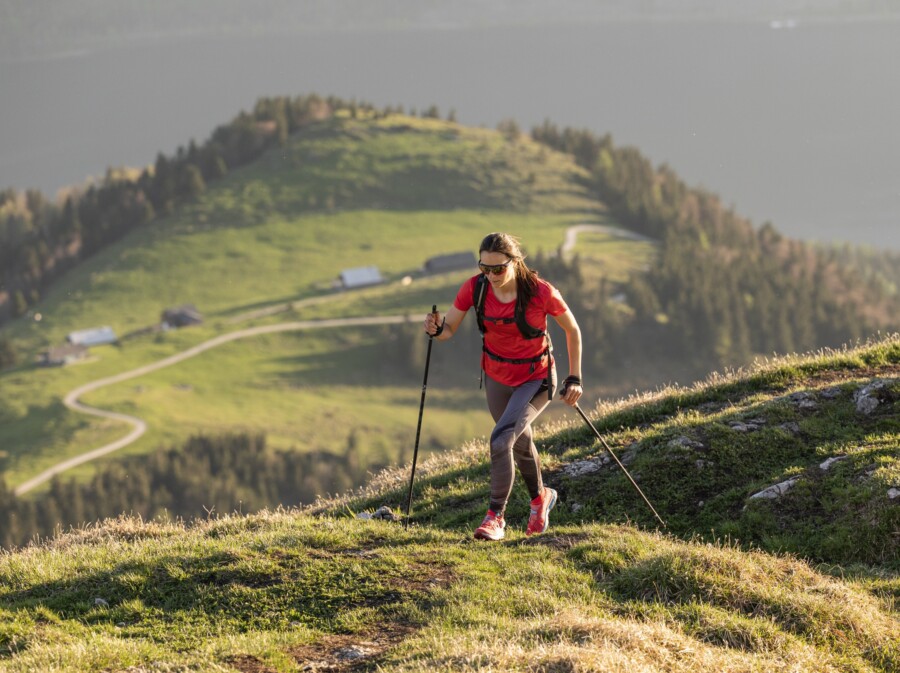
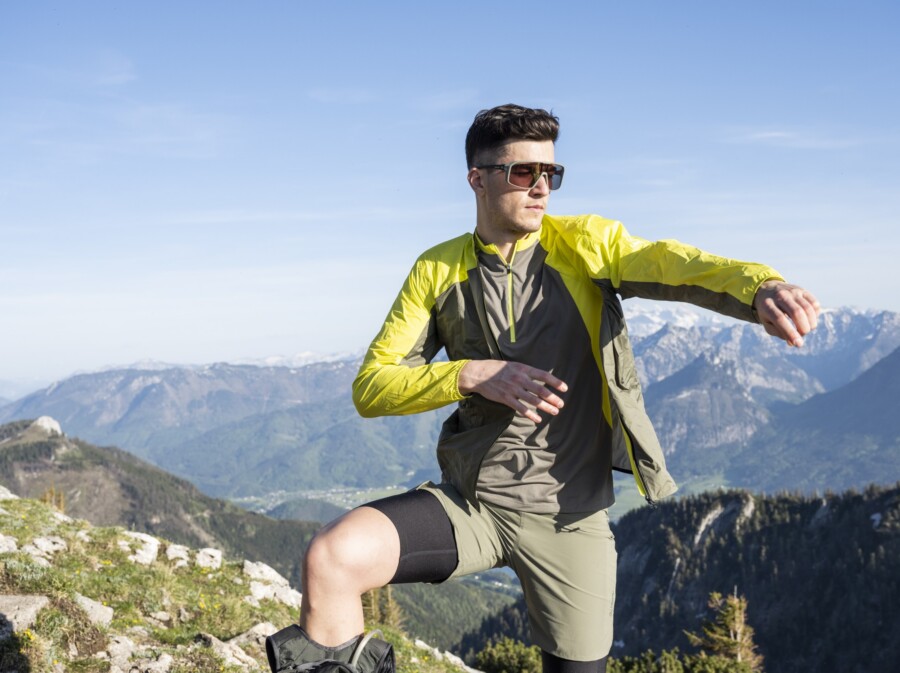
Hiking clothing – answers to the 10 most important questions
1. What should I wear for a walk in cold weather?
When hiking in cold weather, you should wear several layers of clothing that you can easily put on or take off depending on your body temperature. Start with a base layer made of moisture-wicking material, add an insulating mid-layer, and finish with a waterproof and breathable outer layer. You should also wear a warm hat, gloves and sturdy, waterproof hiking boots.
2. What material should hiking clothing be made of?
The best fabric for hiking clothing is one that is water-repellent, quick-drying and breathable. Synthetic fabrics such as polyester and polypropylene are a good choice, as are natural fabrics such as merino wool. These fabrics ensure that you stay dry and comfortable whilst hiking.
3. Can I wear cotton clothing when hiking?
It is not advisable to wear cotton clothing when hiking, as cotton does not wick away moisture and soaks up sweat, leaving the clothing damp and clinging uncomfortably to the skin, which can cause you to cool down quickly. Furthermore, cotton dries very slowly, which can be dangerous in cold weather or when it is windy. Instead, choose functional clothing made from synthetic fabrics that are suitable for hiking.
4. What sort of socks should I wear when hiking?
When hiking, synthetic or woollen socks are recommended as they wick away moisture and dry quickly. Make sure the socks are padded at the heel and toes to prevent blisters, and that they extend beyond the top of your hiking boots to prevent chafing.
5. Do I have to wear a hat when I go hiking?
It is recommended that you wear a hat when hiking, especially in sunny weather, as it can protect your face and head from UV rays. In cold weather, a hat is a good idea to prevent you from losing too much heat through your head.
6. Should I wear sunglasses when hiking?
Yes, it is recommended that you wear sunglasses when hiking, especially in sunny weather, as they protect your eyes from UV rays. Sunglasses can also reduce glare and improve visibility on sunny days.
7. What sort of jacket should I wear when I go hiking?
The type of jacket you should wear when hiking depends on the weather conditions and the activity. In cold and wet weather, a waterproof, breathable jacket with insulation is recommended. In mild weather, a lightweight, breathable jacket is sufficient. Look for jackets with adjustable cuffs and hoods, as well as ventilation options, for maximum comfort.
8. Can I wear jeans when I go hiking?
Jeans are unsuitable for hiking. The fabric is usually too heavy and not as stretchy as other materials. What’s more, the fabric absorbs moisture quickly, which can make hiking uncomfortable and may even lead to chafing. Instead, choose lightweight, breathable technical clothing that is designed for hiking.
9. Should I wear shorts or long trousers when hiking?
The choice between shorts and trousers for hiking depends on the weather conditions, personal preferences and the type of activity. On warm days, shorts are a good choice, whilst in cold weather long trousers – or, particularly in winter, lined trousers – are recommended. If you can’t decide or are out for a longer period, you can pack a spare pair of trousers in your rucksack. There are also trousers available with detachable legs.
10. What should I look out for when choosing my hiking clothes?
When choosing hiking clothing, you should definitely take into account the weather conditions, the terrain you will be walking on and the length of the hike. You should always opt for functional clothing made from breathable materials and, if possible, moisture-wicking fabrics. It is also advisable to always carry an extra layer in your rucksack – such as a thermal jacket to keep you warm in cold weather or at the summit, as well as windproof and/or waterproof outerwear. It is also important that your outfit is as comfortable as possible, that you feel at ease in it, and that it allows you plenty of freedom of movement.